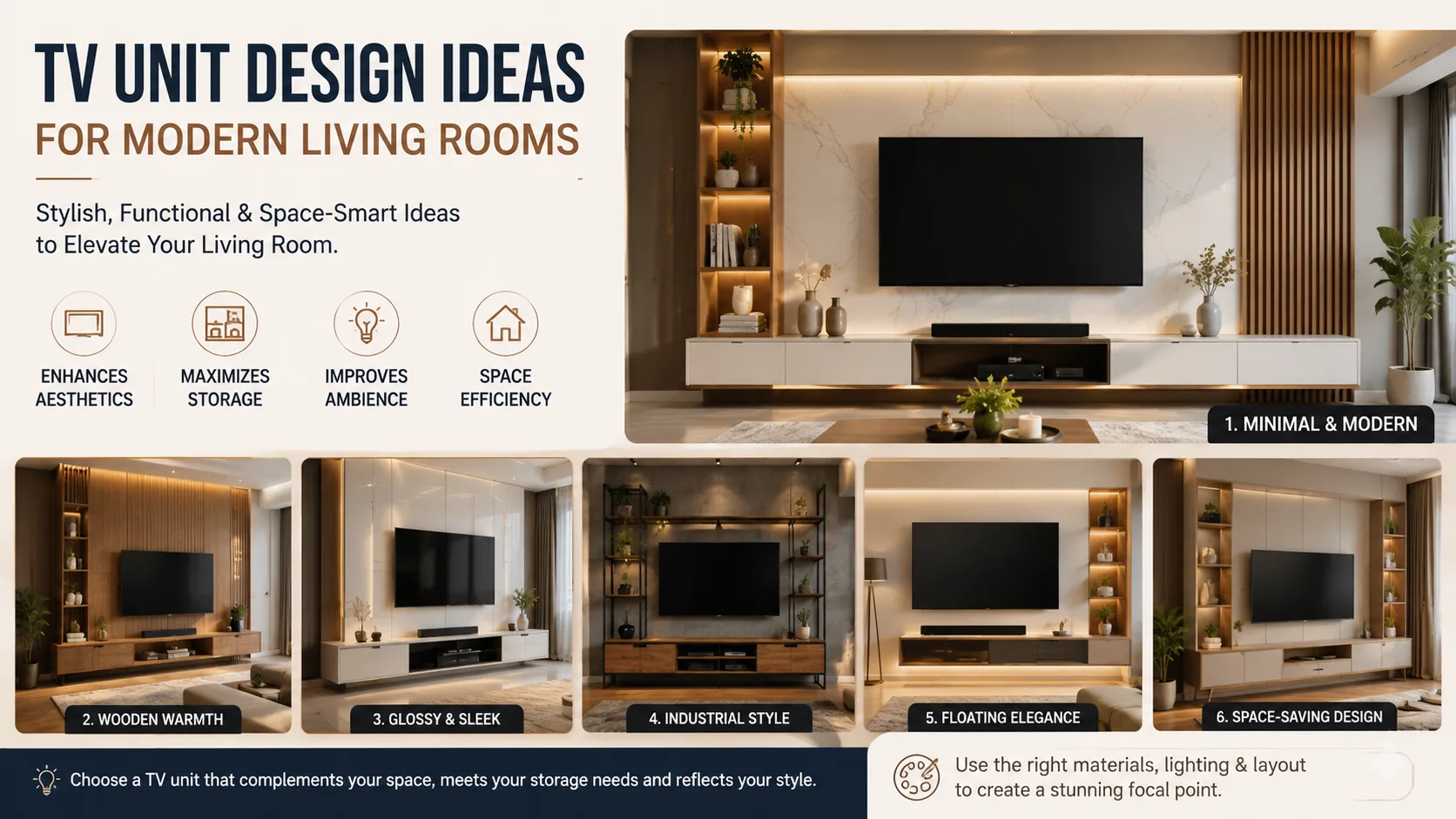
Interior design in 2026 marks a powerful shift from trend-driven aesthetics to purpose-driven living. Homes are evolving into intelligent, emotionally supportive, eco-conscious environments that enhance well-being, productivity, and personal identity. Every design choice—from layout to lighting—is intentional, sustainable, and human-centric.
1. Sustainability & Regenerative Interior Design (Core of 2026)
Sustainability is no longer a trend—it is the default design philosophy in 2026.
What Regenerative Design Means
Unlike traditional “eco-friendly” design, regenerative interiors:
- Reduce environmental harm
- Restore natural ecosystems
- Improve indoor air quality
- Support ethical craftsmanship
Materials That Dominate
- Reclaimed and recycled wood
- Bamboo, cork, rattan, and jute
- Clay plaster, limewash, terrazzo
- Natural stone with minimal processing
Furniture & Decor Shift
- Buy-once, long-life furniture
- Repairable and modular pieces
- Locally crafted items over mass production
Why It Matters
- Rising climate concerns
- Healthier indoor environments
- Long-term cost efficiency
sustainable interior design 2026, green home interiors, eco friendly decor trends
Also Read: Sustainable Interior Design Ideas
2. Warm Minimalism: The Evolution of Modern Design
Cold, sterile minimalism fades away. Warm minimalism defines 2026 interiors.
Design Philosophy
- Fewer objects, higher emotional value
- Comfort over visual emptiness
- Minimalism that feels lived-in
Key Visual Elements
- Soft edges and curved furniture
- Layered neutral tones
- Natural textures replacing sharp finishes
Materials & Finishes
- Linen, boucle, wool
- Matte wood, brushed metals
- Textured walls instead of plain paint
warm minimalism interior design, modern organic interiors, minimalist home trends 2026
3. Biophilic Design: Living With Nature Indoors
Biophilic design in 2026 is immersive, not decorative.
Core Principles
- Visual connection to nature
- Natural light optimization
- Organic materials and airflow
Advanced Biophilic Features
- Indoor gardens and living walls
- Skylights and glass partitions
- Water features and stone elements
- Earth-tone color palettes
Emotional & Health Benefits
- Reduced anxiety and stress
- Improved concentration
- Better sleep cycles
biophilic design 2026, nature inspired interiors, indoor garden homes
4. Invisible Smart Technology Integration
Technology disappears into the background while enhancing daily life.
Smart Features of 2026 Homes
- Voice-controlled lighting and climate
- Motion-activated ambient lighting
- Smart glass for privacy
- Wireless charging built into furniture
Design Impact
- No visible wires or bulky devices
- Technology embedded within architecture
- Warm lighting replacing harsh LEDs
smart home interior design 2026, invisible home technology, modern smart interiors
5. Statement Ceilings: The Fifth Wall
Ceilings become architectural focal points in 2026.
Popular Ceiling Treatments
- Wooden slats and beams
- Limewash or textured plaster
- Color-drenched ceilings
- Integrated lighting patterns
Why Ceilings Matter
- Adds depth without clutter
- Elevates compact spaces
ceiling design trends 2026, statement ceilings, modern ceiling decor
6. Multifunctional & Hybrid Living Spaces
Homes in 2026 adapt to multiple lifestyles simultaneously.
Key Design Solutions
- Sliding panels and partitions
- Fold-away desks and Murphy beds
- Modular seating systems
- Convertible dining and work areas
Popular Hybrid Spaces
- Living room + home office
- Bedroom + meditation zone
- Kitchen + social gathering hub
multifunctional home design, hybrid living interiors, flexible spaces 2026
7. Earthy, Emotional & Grounding Color Palettes
Color choices in 2026 are driven by emotional psychology.
Trending Colors
- Terracotta
- Olive and moss green
- Soft caramel and honey
- Rust and clay
- Muted blush and sand
How Colors Are Used
- Layered neutrals
- Texture-based contrast
- Color-drenched rooms for calm
interior color trends 2026, earthy home colors, warm color palettes
8. Craftsmanship, Handmade & Imperfect Beauty
Mass-produced perfection is replaced by authentic imperfection.
Design Characteristics
- Handcrafted furniture and decor
- Irregular textures and finishes
- One-of-a-kind statement pieces
Philosophical Influence
- Inspired by wabi-sabi
- Beauty in age, texture, and flaws
handcrafted interior design, artisan home decor, wabi sabi interiors
9. Wellness-First Interior Design
Homes become mental and physical wellness sanctuaries.
Wellness Design Elements
- Spa-inspired bathrooms
- Sound-absorbing materials
- Soft, layered lighting
- Clutter-free layouts
Wellness Spaces at Home
- Meditation rooms
- Reading nooks
- Home spas
wellness interior design 2026, calming home decor, healthy interiors
10. Personalization & Storytelling Interiors
2026 rejects copy-paste interiors in favor of personal narratives.
How Homes Are Personalized
- Travel souvenirs
- Family heirlooms
- Custom furniture and art
- Mix of old and modern elements
Why It Matters
- Emotional connection to space
- Authenticity over trends
personalized interior design, eclectic home decor, custom interiors
Conclusion
Interior design in 2026 is defined by intentional living. Spaces are:
- Sustainable
- Emotionally grounding
- Technologically intelligent
- Deeply personal
The future home is not just designed—it is experienced.
Frequently Asked Questions
Q1: What is the most important interior design trend for 2026?
Sustainable, wellness-focused design combined with warm minimalism.
Q2: Are white interiors outdated in 2026?
Pure white is fading. Warm neutrals and earthy tones are preferred.
Q3: Is minimalism still popular?
Yes, but it is warmer, softer, and more personal.
Q4: How does technology affect interior design in 2026?
Technology is invisible, integrated, and enhances comfort without visual clutter.
Q5: What materials are trending most?
Natural, reclaimed, handcrafted, and low-impact materials.
Q6: How can I redesign my home for 2026 trends?
- Switch to warm neutral colors
- Add natural textures
- Invest in multifunctional furniture
- Declutter and personalize
Q7: Are these trends suitable for small homes?
Yes. Multifunctional design and warm minimalism are ideal for compact spaces.