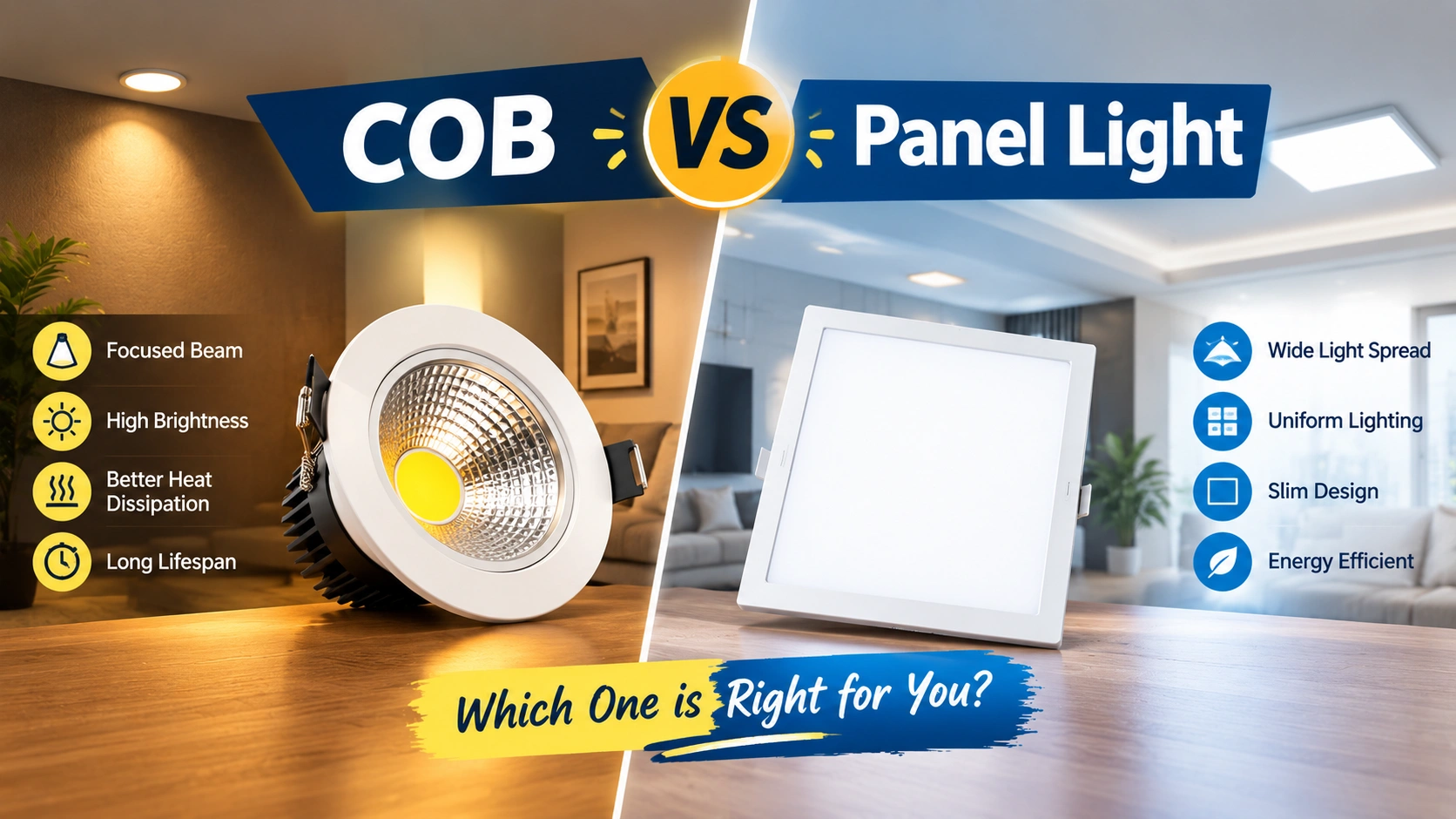
Lighting plays an important role in how a home, office, or commercial space looks and feels. The right light can improve visibility, highlight interior features, and create a comfortable atmosphere. Among the popular modern lighting options, COB lights and LED panel lights are widely used for false ceilings, living rooms, bedrooms, kitchens, offices, and commercial spaces. COB lights and panel lights are not simply two versions of the same lighting product. They differ in their light distribution, beam angle, appearance, installation style, power options, and ideal applications. This guide explains the difference between COB and panel lights, their benefits and limitations, power consumption, beam angle, installation, maintenance, and the best places to use each type.
What Is a COB Light?
COB stands for Chip on Board. In a COB LED, multiple LED chips are mounted closely together on a single substrate to create a compact light source. Instead of seeing several individual LED points, a COB light generally produces a more concentrated and continuous-looking light output.
COB lights are commonly used as:
- Recessed ceiling lights
- Spotlights
- Downlights
- Track lights
- Display lighting
- Accent lighting
- False ceiling lighting
- Architectural lighting
One of the major characteristics of COB lighting is its ability to produce focused illumination.
What Is an LED Panel Light?
An LED panel light is a flat lighting fixture designed to provide broad and relatively uniform illumination.
LED panel lights are commonly installed in:
- Offices
- Bedrooms
- Living rooms
- Kitchens
- Schools
- Hospitals
- Retail spaces
- Commercial buildings
- False ceilings
Unlike a spotlight-style COB fixture, a panel light generally spreads light over a wider area. The large illuminated surface helps reduce harsh points of light and provides a more evenly distributed appearance.
COB vs. Panel Light: Quick Comparison
| Feature | COB Light | LED Panel Light |
| Light distribution | Focused/directional | Broad and uniform |
| Typical beam angle | Narrow to medium | Wide |
| Best suited for | Accent, task, and focused lighting | General room illumination |
| Design | Compact and directional | Flat and wide |
| False Ceiling Use | Excellent | Excellent |
| Highlighting interiors | Very suitable | Less focused |
| Large-area illumination | Depends on fixture | Very Suitable |
| Glare | Can be higher depending on design | Usually more evenly distributed |
| Appearance | Modern, focused lighting effect | Clean, soft, uniform effect |
| Common Use | Homes, retail, display areas | Homes, offices, and commercial spaces |
| Installation | Recessed, surface, track, etc. | Recessed or surface-mounted |
| Beam control | Usually better | Usually wider and less directional |
1. Difference in Light Distribution
The biggest difference between COB and panel lights is how they distribute light.
COB Light
COB lights are generally designed to direct light toward a particular area.
This makes them useful when you want to:
- Highlight a wall
- Illuminate artwork
- Focus light on a dining table
- Highlight a TV wall
- Illuminate a kitchen counter
- Create layered lighting
- Highlight architectural elements
Panel Light
Panel lights are designed to illuminate a larger area more evenly.
They are useful when you want:
- General room lighting
- Uniform brightness
- Wide-area illumination
- Comfortable office lighting
- Even illumination in bedrooms and living rooms
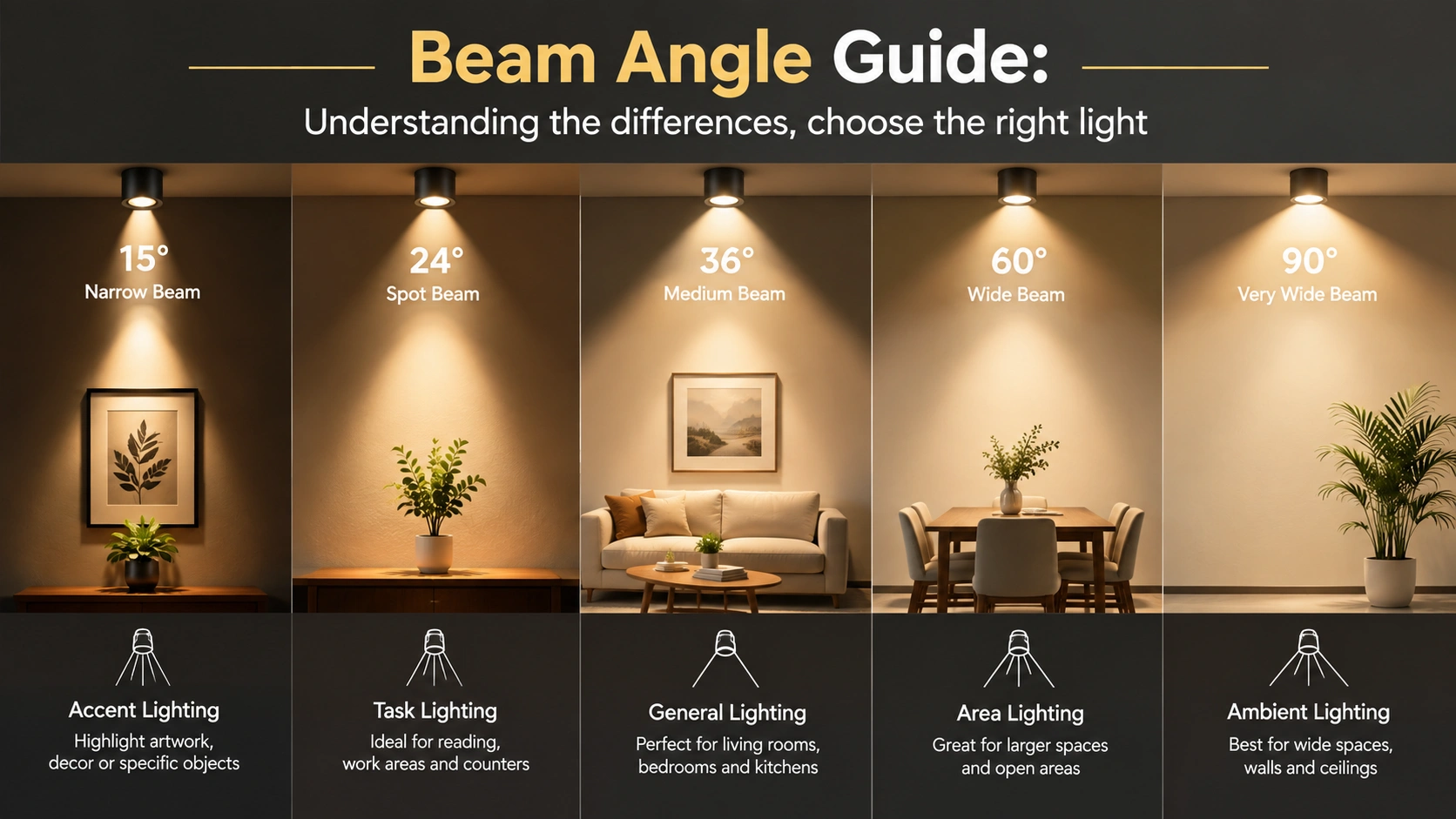
2. COB vs. Panel Light: Beam Angle
Beam angle describes the spread of light from a lighting fixture. A narrower beam concentrates light into a smaller area, while a wider beam spreads light across a larger space.
COB Beam Angle
Many COB spotlights and downlights are available with relatively focused beam angles. The exact beam angle varies depending on the fixture and lens.
A narrow beam can be useful for:
- Accent walls
- Artwork
- Decorative objects
- Retail displays
- Architectural details
A medium beam can work well for:
- Dining areas
- Living rooms
- Bedrooms
- Corridors
Panel Light Beam Distribution
Panel lights generally provide a much wider spread of light. Instead of creating a strong concentrated spot, they aim to illuminate the surrounding area.
This makes them suitable for:
- Bedrooms
- Offices
- Kitchens
- Workspaces
- Larger rooms
Why Beam Angle Matters
Choosing the right beam angle is important because the wrong lighting distribution can make a room feel either too dark or unnecessarily harsh. For example, using only narrow-beam COB spotlights in a large room may create bright spots and darker areas between them. Similarly, using only broad panel lights may not provide the focused effect required to highlight a particular architectural feature.
3. Power Consumption: COB vs. Panel Light
Power consumption depends on the wattage of the particular fixture, not simply whether it is COB or panel lighting.
When comparing lights, consider:
- Wattage
- Lumens
- Efficiency
- Operating hours
- Number of fixtures
- Driver efficiency
- Room size
- Required illumination
4. COB Light Benefits
COB lighting has become popular in modern interiors because of its focused and compact design.
1. Focused Illumination
COB lights can direct light toward specific areas, making them useful for accent lighting.
2. Modern Appearance
Recessed COB lights can create a clean and minimal ceiling appearance.
3. Suitable for Layered Lighting
COB lights work well alongside other lighting sources such as
- Cove lights
- Pendant lights
- Profile lights
- Wall lights
- Panel lights
4. Good for Highlighting Features
They can be used to emphasize:
- Paintings
- Textured walls
- Decorative panels
- Furniture
- Shelves
- Architectural elements
5. Compact Design
Many COB fixtures are relatively compact, which makes them suitable for contemporary ceiling designs.
5. Limitations of COB Lights
COB lights are not ideal for every lighting requirement.
Concentrated Light
A focused beam can create strong highlights and shadows if fixtures are not positioned correctly.
Glare
Depending on the fixture design, installation height, and viewing angle, COB lights can produce noticeable glare.
More Planning May Be Required
Because COB lighting is directional, the positioning and spacing of multiple fixtures matter. For larger rooms, several COB fixtures may be needed to achieve consistent illumination.
6. LED Panel Light Benefits
Panel lights offer several advantages for general lighting.
1. Wide-Area Illumination
Panel lights are suitable when you want to illuminate a larger area with fewer concentrated light points.
2. Uniform Appearance
Their broad illuminated surface can provide relatively even lighting.
3. Clean Ceiling Design
Slim panel lights can create a simple and modern ceiling appearance.
4. Suitable for Workspaces
Panel lights are commonly used in areas where consistent general illumination is required.
5. Multiple Sizes and Wattages
Panel lights are available in different dimensions and power ratings, making them suitable for different room sizes and applications.
7. Limitations of Panel Lights
Panel lights also have some limitations.
Less Focused
They are not designed primarily for highlighting a small decorative feature.
Less Dramatic Accent Effect
If you want strong wall-washing or spotlight effects, a directional COB fixture may provide better control.
Ceiling Integration
The final appearance depends on whether the panel is recessed, surface-mounted, or installed using another mounting method.
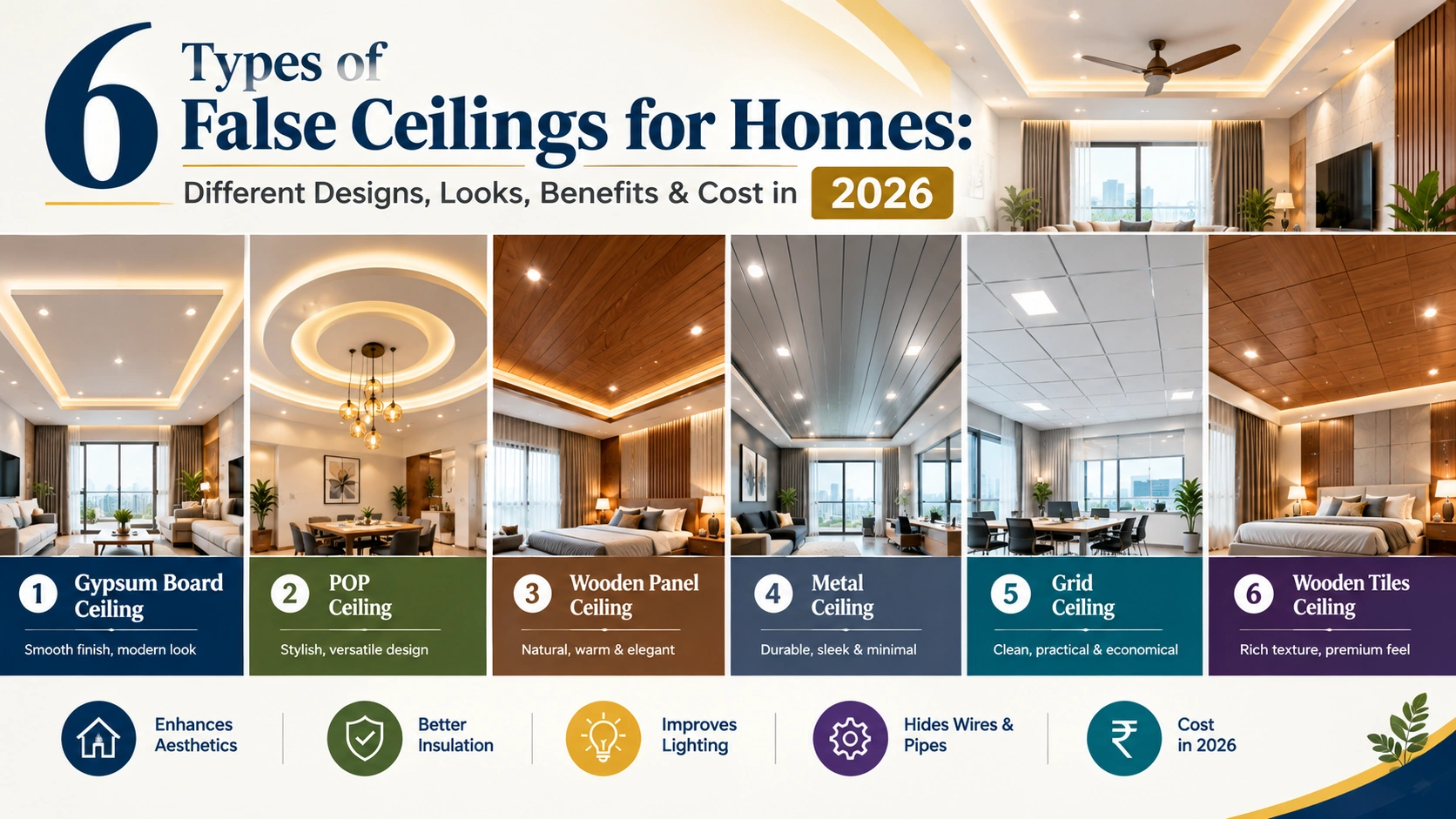
8. COB vs. Panel Light for False Ceiling
Both COB and panel lights can be used with false ceilings, but their purposes can be different.
COB for False Ceiling
COB lights can be used to create:
- Spotlight effects
- Focused illumination
- Accent lighting
- Wall highlights
- Layered lighting
- Decorative ceiling effects
They are particularly useful when the ceiling design includes multiple lighting zones.
Panel Light for False Ceiling
Panel lights can provide:
- General illumination
- Uniform brightness
- Broad coverage
- Clean ceiling appearance
- A Combination Can Work Well
Instead of treating COB and panel lights as competitors, they can be combined.
9. COB vs. Panel Light for Living Room
The living room usually benefits from more than one type of lighting.
COB lights can highlight:
- TV walls
- Artwork
- Decorative walls
- Curtains
- Shelves
- Architectural details
Panel lights can provide general illumination. A combination of both can create a more flexible lighting arrangement than relying on a single type.
10. COB vs. Panel Light for Bedroom
Bedrooms generally need comfortable, non-harsh lighting. A panel light can be used for general illumination, while COB lights can be positioned strategically for specific areas.
For bedrooms, consider:
- Warm or neutral color temperature
- Reduced glare
- Appropriate brightness
- Bedside lighting
- Wardrobe lighting
- Reading lighting
Avoid installing too many high-intensity spotlights directly above the bed if they create uncomfortable glare while lying down.
11. COB vs. Panel Light for Kitchen
Kitchen lighting needs good visibility because it is a working area. Panel lights can provide broad general illumination.
COB or directional lights can be used to illuminate:
- Countertops
- Breakfast counters
- Kitchen islands
- Specific work areas
The most important factor is avoiding shadows over the countertop.
12. COB vs. Panel Light for Office
For offices, broad and consistent illumination is usually important. Panel lights are commonly suitable for general workspace lighting because they can provide wide-area illumination.
When selecting office lighting, consider:
- Glare control
- Color temperature
- Screen reflections
- Uniformity
- Ceiling height
- Working hours
COB lights may be used as supplementary lighting where focused illumination or architectural highlighting is required.
13. COB vs. Panel Light for Commercial Spaces
The choice depends heavily on the type of commercial space.
Retail Store
COB lights can highlight products and displays.
Office
Panel lights can provide broad workspace illumination.
Restaurant
A combination of directional COB lighting and ambient lighting can create different lighting zones.
Showroom
COB spotlights can help direct attention toward products.
Reception Area
A combination of panel, COB, and decorative lighting can create layered illumination.
14. Color Temperature: An Important Factor
Color temperature affects the visual mood of a space.
Common lighting categories include
Warm White
Creates a warmer and more relaxed appearance.
Suitable for:
- Bedrooms
- Living rooms
- Restaurants
- Hospitality spaces
Neutral White
Provides a balanced appearance.
Suitable for:
- Living areas
- Kitchens
- Offices
- General-purpose spaces
Cool White
Creates a brighter and more energetic appearance.
Often used in:
- Workspaces
- Commercial areas
- Utility spaces
The right color temperature depends on the room's function and the atmosphere you want to create.
15. COB vs Panel Light: Which Has Better Brightness?
Brightness should be evaluated using the lumens produced by the fixture, rather than judging only by whether it is COB or panel. A COB light may appear brighter in a particular spot because its light is concentrated. A panel light may illuminate a larger area more evenly even if the light does not appear as intense at one particular point.
Therefore, compare:
- Lumens
- Beam angle
- Mounting height
- Room size
- Number of fixtures
- Surface reflectance
16. COB vs Panel Light: Which Is More Energy Efficient?
Both COB and panel lights can be energy-efficient LED lighting options.
However, energy efficiency depends on the actual product's:
- LED efficiency
- Driver efficiency
- Wattage
- Light output
- Heat management
- Product quality
Rather than choosing based solely on the word "COB" or "panel," check the manufacturer's rated wattage and lumen output.
17. COB vs. Panel Light: Lifespan
LED lighting can have a long operating life, but actual lifespan varies between products.
Factors affecting longevity include:
- LED quality
- Driver quality
- Heat dissipation
- Operating temperature
- Voltage stability
- Installation conditions
- Daily operating hours
Therefore, don't judge durability solely by the lighting technology. A well-designed fixture with good thermal management can generally perform more reliably than a poorly designed product, regardless of whether it is COB or panel type.
18. Installation Considerations
Before purchasing either type, check the installation requirements.
COB Light
Check:
- Cut-out size
- Fixture depth
- Ceiling thickness
- Driver location
- Heat dissipation
- Spacing between fixtures
Panel Light
Check:
- Panel dimensions
- Recessed or surface mounting
- Ceiling opening
- Driver compatibility
- Mounting accessories
- Available ceiling space
For false ceilings, installation should be planned before the ceiling work is completed.
19. Maintenance and Replacement
Both types generally require relatively little routine maintenance compared with older lighting technologies. However, if an LED fixture develops a fault, replacement can depend on the product design. Some fixtures have replaceable components, while others may require replacement of the complete unit or driver.
When purchasing, check:
- Warranty
- Driver availability
- Replacement availability
- Installation support
- Manufacturer specifications
This is particularly important if many fixtures are being installed in a home or commercial project.
20. How to Choose Between COB and Panel Light?
Instead of asking which one is universally better, first identify the purpose of the lighting.
Choose COB if you need:
- Focused illumination
- Accent lighting
- Spotlight effects
- Wall highlighting
- Decorative ceiling lighting
- Architectural lighting
- Product highlighting
Choose Panel Light if you need:
- Broad illumination
- Uniform room lighting
- Office lighting
- General bedroom lighting
- Kitchen lighting
- Workspace lighting
- Large-area illumination
Choose both if you need:
- General + accent lighting
- Layered interior lighting
- Flexible lighting zones
- Decorative and functional illumination
COB vs. Panel Light: Application Guide
| Space | COB Light | Panel Light |
| Living room | Accent/highlight lighting | General lighting |
| Bedroom | Focused/supplying lighting | General lighting |
| Kitchen | Counter/work-area lighting | General lighting |
| Office | Accent lighting | General lighting |
| Retail store | Product highlighting | General illumination |
| False Ceiling | Excellent | Excellent |
| Artwork | Very suitable | Less focused |
| Large workspace | Supplementary | Very Suitable |
Conclusion
COB and panel lights serve different lighting purposes. COB lighting is generally more suitable when you want focused, directional, and accent illumination, particularly for highlighting interior features, walls, artwork, and specific areas. LED panel lights are generally better suited for broad, uniform, and general illumination, making them useful for bedrooms, offices, kitchens, living spaces, and larger working areas. For modern interiors, you don't necessarily have to choose only one. A carefully planned combination of panel lights for general illumination and COB lights for accent lighting can create a balanced and visually appealing lighting design.
FAQs:
1. Is COB light better than panel light?
Neither is universally better. COB lights are generally suited to focused and directional lighting, while panel lights are generally designed for broad and uniform illumination.
2. Which is better for a false ceiling, COB or a panel light?
Both can be used in false ceilings. COB lights are useful for spot and accent lighting, while panel lights are suitable for general room illumination.
3. Which consumes less electricity, COB or panel light?
Electricity consumption depends mainly on the wattage and operating time of the specific fixture. Compare wattage and lumen output rather than technology name alone.
4. Which gives wider light, COB or panel light?
Panel lights generally provide broader light distribution. COB fixtures are often more directional and focused.
5. Are COB lights suitable for bedrooms?
Yes. COB lights can be used in bedrooms, particularly for focused or decorative lighting. The fixture's brightness, beam angle, and color temperature should be selected carefully.
6. Are panel lights good for living rooms?
Yes. Panel lights can provide broad general illumination in living rooms. They can also be combined with COB lights for accent lighting.
7. Which is better for kitchen lighting?
Panel lights can provide general kitchen illumination, while COB or directional lights can supplement work areas such as countertops and islands.
8. Do COB lights produce more heat?
Heat generation depends on the fixture's wattage, efficiency, design, and thermal management. Good heat dissipation is important for any LED fixture.
9. Which light has a longer lifespan?
Both can have long operating lives when properly designed and operated. Actual lifespan depends on LED quality, driver quality, heat management, operating conditions, and product construction.
10. Can COB and panel lights be used together?
Yes. Combining them can create layered lighting: panel lights can provide general illumination while COB lights highlight selected areas.