In a significant move to improve the ease of doing business and accelerate urban infrastructure development, the state government has introduced a major reform in the planning approval process for high-rise buildings. The latest government order authorises the metropolitan planning authority to grant final planning permissions for eligible high-rise projects, eliminating one of the most time-consuming stages in the approval process. The decision is expected to benefit developers, investors, and homebuyers by reducing approval timelines while ensuring that all projects continue to comply with statutory building regulations and safety standards. Until now, obtaining planning permission for a high-rise building involved multiple levels of scrutiny and approvals. Developers were required to submit detailed project proposals to the metropolitan planning authority, after which officials carried out site inspections and examined architectural drawings, structural designs, infrastructure provisions, fire safety measures, environmental compliance, parking facilities, and other technical requirements. Once the initial scrutiny was completed, the proposal was forwarded to the designated multi-storeyed building committee. The committee evaluated whether the project complied with all applicable development control regulations and building rules. Even after receiving the committee's recommendation, developers had to wait for the proposal to be forwarded to the state government. Planning permission was granted only after a separate government order was issued, making the overall approval process lengthy and often delaying the launch of construction projects. Under the revised approval framework, the metropolitan planning authority has been empowered to issue the final planning permission for high-rise buildings without requiring an additional government order. However, this authority is subject to strict compliance with all applicable rules and regulations. Projects must continue to satisfy planning norms, zoning regulations, structural safety requirements, fire and emergency safety standards, environmental clearances wherever applicable, and receive approval from the multi-storeyed building committee before the final planning permission is issued. By removing the final administrative layer, the government aims to significantly reduce processing time while maintaining transparency and regulatory oversight. Homebuyers are also expected to benefit from the streamlined approval system. Faster approvals can help reduce project delays, improve construction schedules, and support the timely delivery of residential units. As developers spend less time waiting for regulatory clearances, projects may reach the construction stage sooner, improving the overall efficiency of the housing market. The latest reform is considered one of the most significant administrative changes in the state's urban planning framework in recent years. Industry experts believe that the simplified approval process will encourage more high-rise residential and commercial developments, support planned urban expansion, and strengthen investor confidence. While the approval process has been simplified, compliance with building regulations, safety norms, environmental standards, and planning guidelines remains mandatory. This ensures that faster approvals do not compromise construction quality, public safety, or sustainable urban development. The revised framework is expected to play a crucial role in accelerating urban growth, attracting fresh investments, and supporting the long-term development of modern, well-planned cities across the metropolitan region.
State Government Empowers Planning Authority to Grant Permissions for High Rise Buildings
Jul 18 2026

Latest Newsletter

Chennai Property Tax Deadline Today: September 30 Last Day to Pay Without Penalty
Sep 30 2026

Interest Rates May Rise to 5.50 percentage in October as Inflation Broadens
Sep 29 2026

Housing Sales Decline 6 percentage in Top 9 Cities Amid Weakening Demand
Sep 28 2026
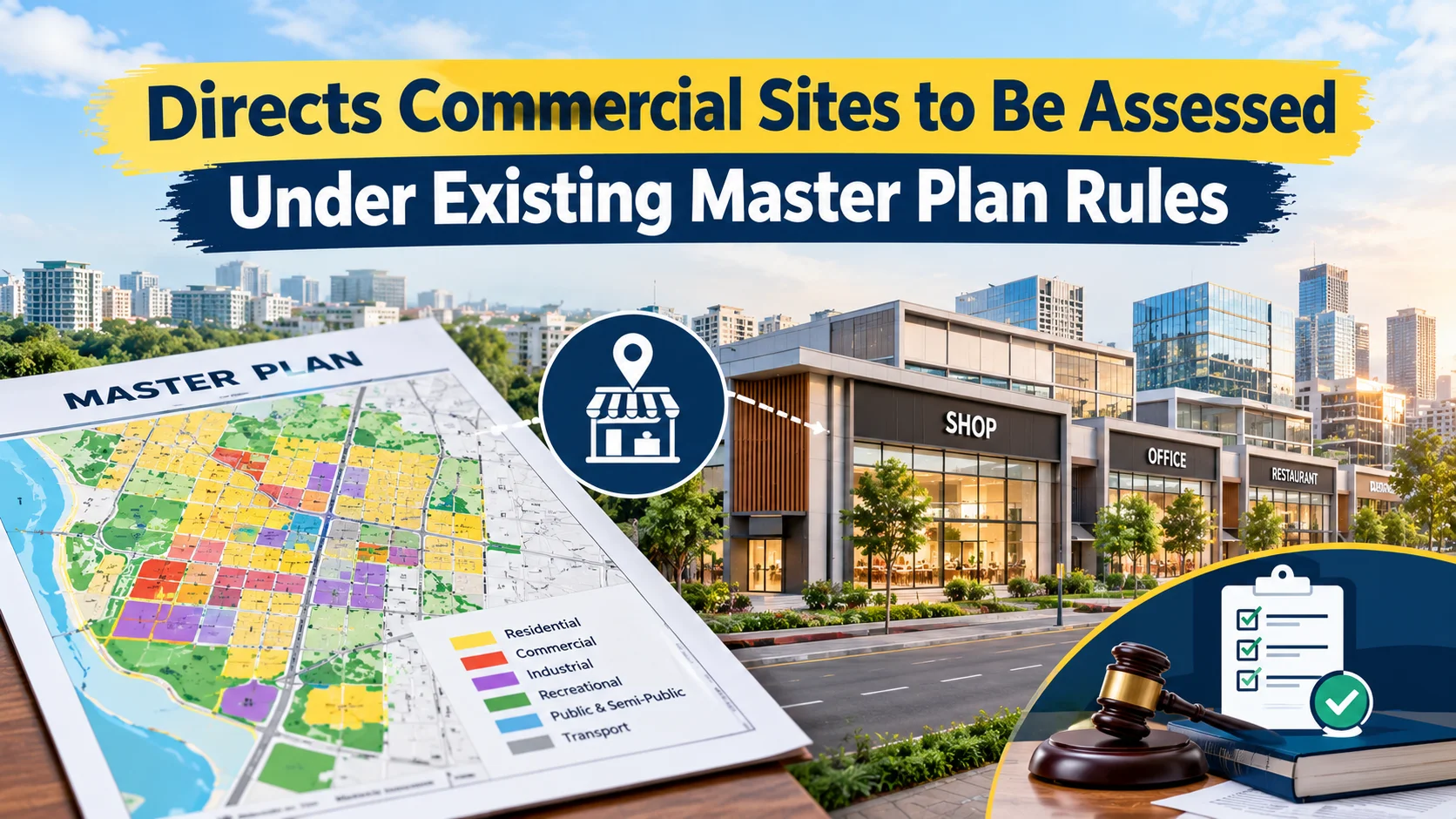
Directs Commercial Sites to Be Assessed Under Existing Master Plan Rules
Sep 26 2026

TN Housing Board to Build New Homes Based on Public Demand
Sep 25 2026