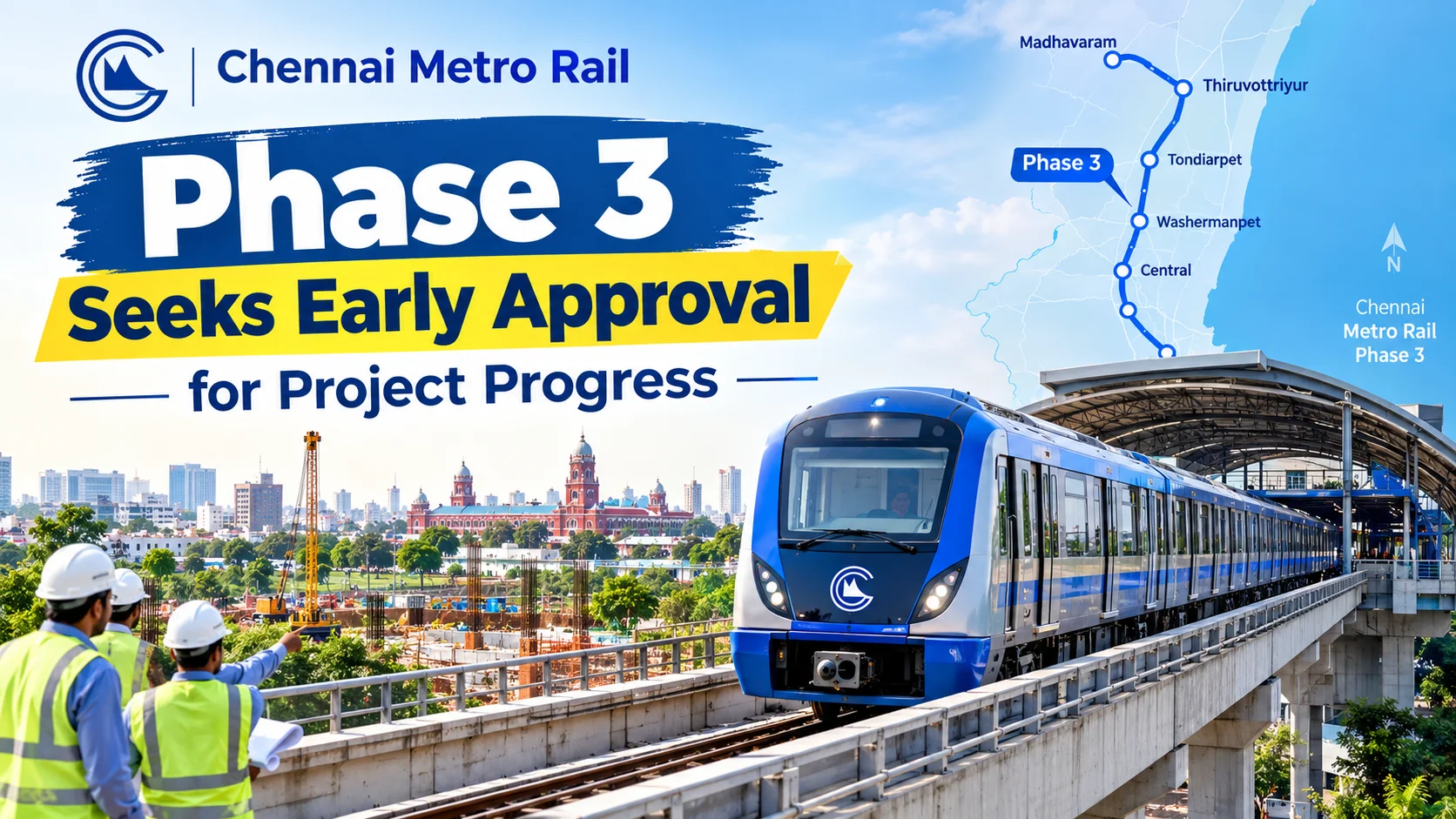
Globally, wealthy investors often follow the principle that money must remain in motion to grow. Capital that is actively invested—rather than left idle—creates value, fuels opportunity, and generates long-term wealth. This philosophy applies not only to individuals but also to nations. For a country, the efficient movement of people, machinery, goods, and services is critical to unlocking large-scale employment, fostering entrepreneurship, and achieving sustained economic prosperity. In recent years, India has made a strong and deliberate push toward infrastructure-led growth. Between FY22 and FY26, the country is estimated to have spent approximately $520–560 billion on central government capital expenditure, underscoring its commitment to building a robust physical and economic foundation. This level of investment is comparable to the gross domestic product of several mid-sized global economies and highlights the scale of India’s infrastructure ambition. A significant portion of this spending—estimated at nearly one-fourth, or around $130 billion—has been directed toward Southern India. The region has emerged as a major beneficiary of infrastructure development, with investments spread across high-speed rail corridors, freight and logistics networks, national highways, waterways, and expanding metro systems. These projects are expected to act as powerful catalysts for economic activity, improving connectivity between cities and industrial hubs while reducing logistical bottlenecks. Major transport corridors linking key urban and economic centers, along with continued expansion of road and metro networks, are set to dramatically enhance regional mobility. Improved infrastructure shortens travel times, enables smoother movement of goods, and supports the development of new commuter belts and satellite growth zones. As a result, access to employment hubs improves, business productivity rises, and previously underdeveloped areas become viable for commercial and residential expansion. This transformation presents a substantial opportunity for the real estate sector. Infrastructure development has historically been closely linked with appreciation in land values, growth in property demand, and rising rental yields. As economic activity intensifies and new employment centers emerge, demand for housing, office spaces, logistics parks, and mixed-use developments is expected to increase significantly. Both retail and institutional investors are likely to find strong long-term value in these markets. Beyond real estate, infrastructure projects contribute to broader economic benefits by encouraging entrepreneurship, attracting private investment, and creating jobs across construction, manufacturing, services, and allied sectors. These multiplier effects reinforce regional growth and enhance overall economic resilience. To fully realize this potential, coordinated efforts are essential. Investors, developers, and policymakers must work collaboratively to ensure balanced, inclusive, and sustainable development. Strategic planning, timely execution of projects, and supportive regulatory frameworks will play a crucial role in translating infrastructure investments into long-term economic and social gains for the region.