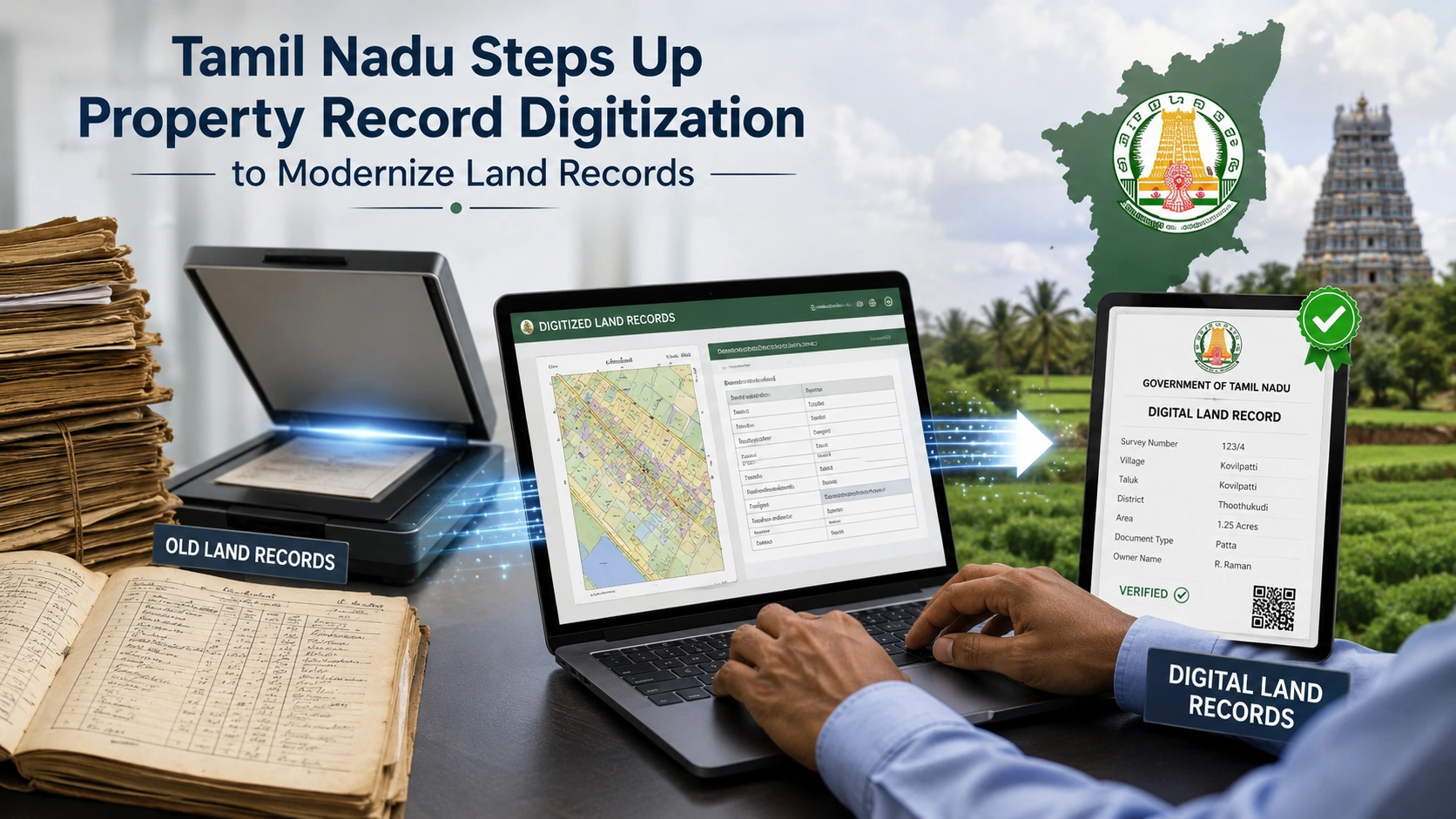
Tamil Nadu is set to undertake a major digitisation exercise covering historical property records, birth and death registers, and other documents maintained by the Registration Department. The initiative will involve scanning 11.14 crore pages of previously unscanned records and converting around 7.06 crore old Encumbrance Records dating from 1865 to 1974 into searchable digital data. The project will also cover nearly 5.68 crore birth and death records up to 2018, according to the tender issued for the digitisation exercise. The department has identified 2.22 crore documents created between January 1, 1865 and July 5, 2009, that had not been scanned during earlier digitisation programmes. The latest exercise will focus on these missed and unscanned records and will not duplicate documents that have already been digitised. Encumbrance records from 1975 onwards have already been digitised, while the latest project will focus on the remaining historical records from 1865 to 1974. The digitisation process will include scanning, data entry, meta-tagging, indexing and verification. Physical records will be scanned within the respective Sub-Registrar Office premises and will not be permitted to be taken outside. Scanning is expected to take place from 8 am to 8 pm on weekdays, while the 100 offices handling the highest volume of records will also operate on Saturdays. At least 2,000 data-entry operators are expected to be deployed across two shifts, with a target of processing around four lakh records a day. Progress will be monitored through a dedicated dashboard, with penalties proposed for failure to meet prescribed targets. The project will also introduce strict security measures. USB ports on workstations will be disabled, while biometric authentication will be used for scanning and verification personnel. The system will maintain records identifying those involved in scanning and verifying documents. The government has set a 14-month deadline for completing the digitisation exercise. The move is expected to improve access to historical property information, simplify document verification and reduce dependence on physical archives. For property buyers, lawyers and other real estate stakeholders, searchable historical Encumbrance Records could make ownership and transaction-history checks more efficient. The large-scale exercise is also aimed at preserving decades-old government records while moving Tamil Nadu's property and civil registration records towards a more accessible digital system.
Tamil Nadu Steps Up Property Record Digitization to Modernize Land Records
Sep 03 2026
Latest Newsletter
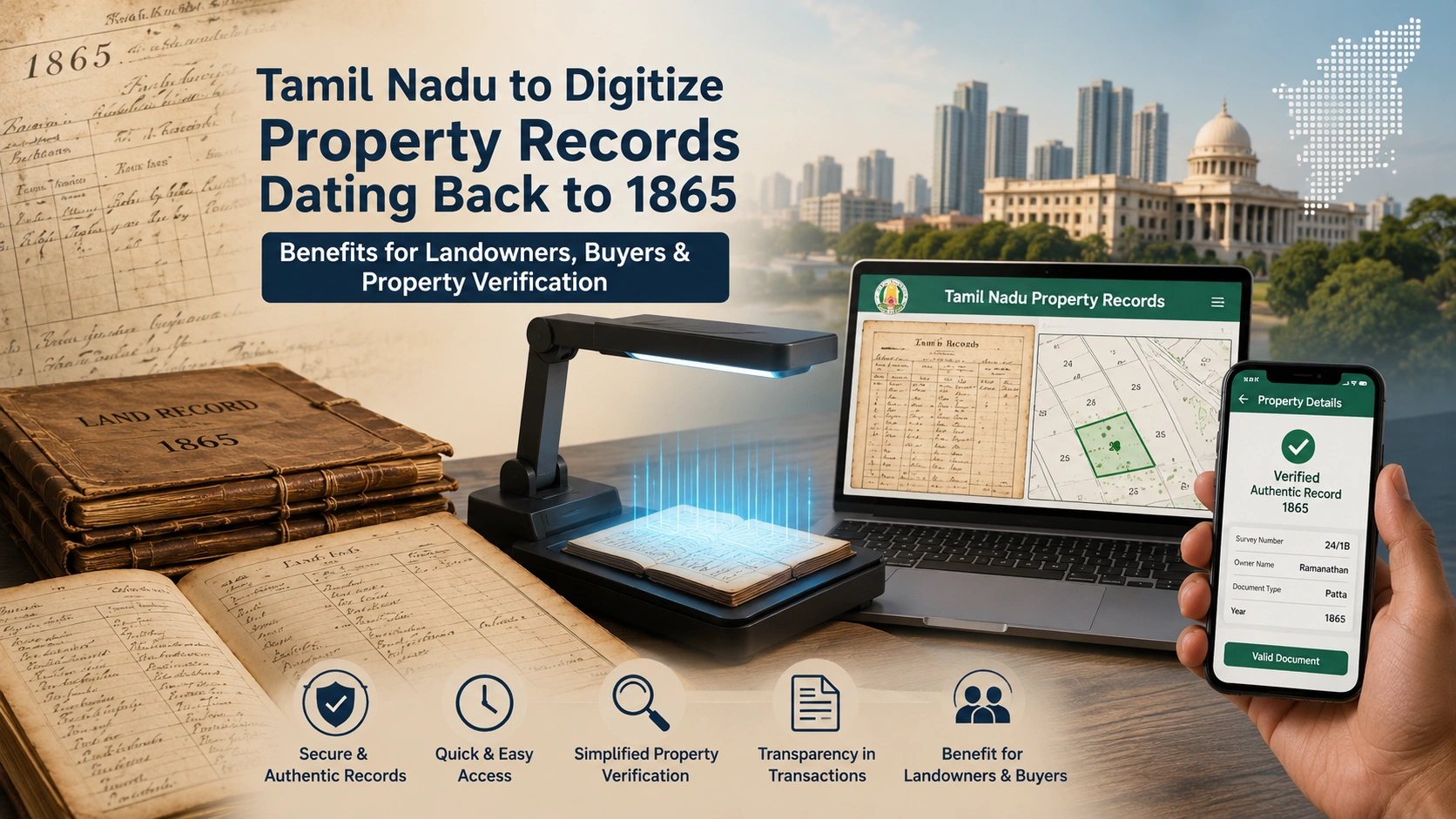
Tamil Nadu to Digitize Property Records Dating Back to 1865: Benefits for Landowners, Buyers & Property Verification
Sep 02 2026

Tamil Nadu Housing Reforms 2026: Rs 2,883 Crore Plan to Rebuild Old Flats & Boost Urban Housing
Sep 01 2026
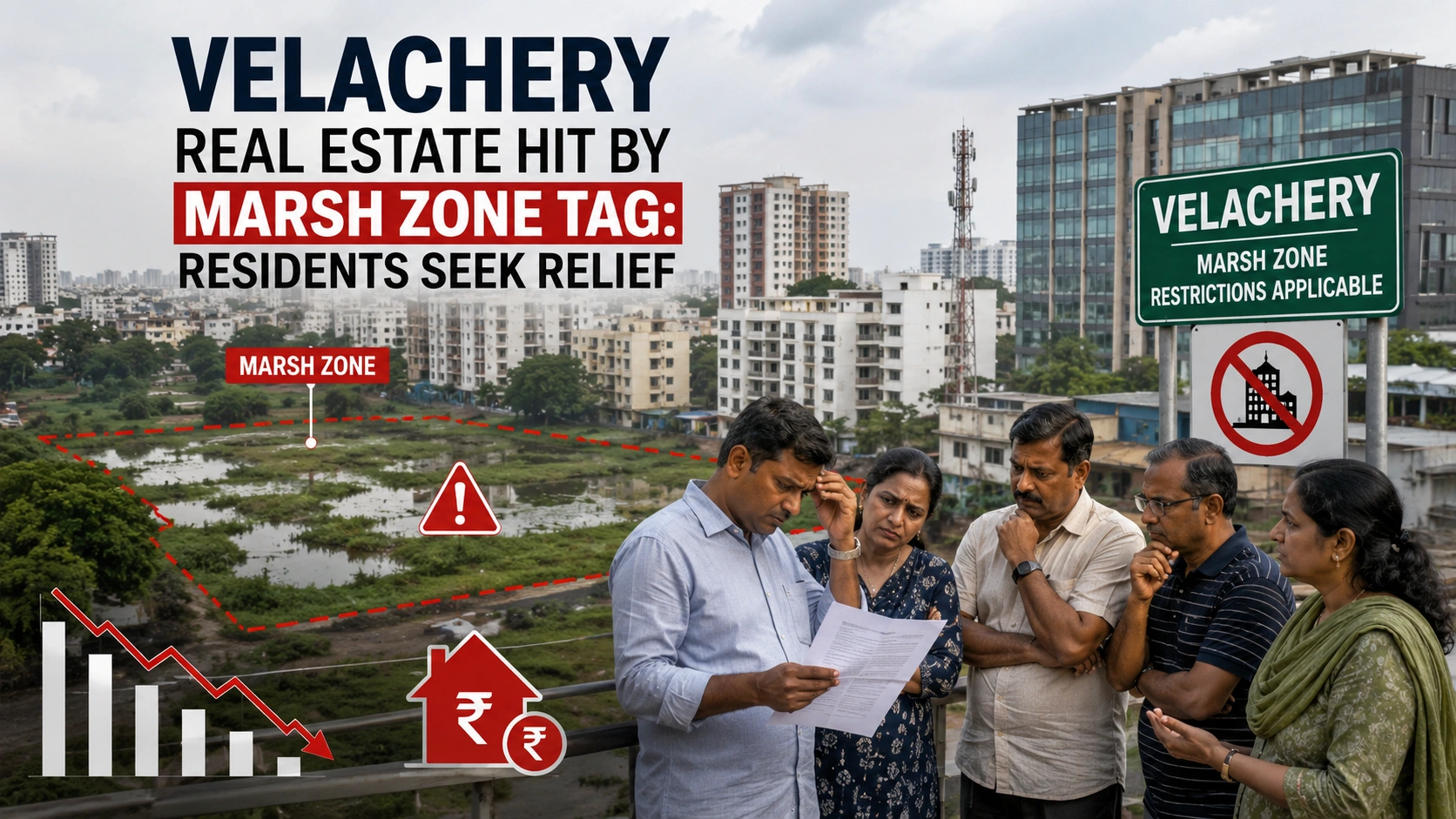
Velachery Real Estate News 2026: Marsh Zone Tag Impacts Housing Approvals and Property Owners
Aug 31 2026

Tamil Nadu Housing Update 2026 Building Approval Reforms and Financial Relief Announced
Aug 29 2026

Home Loans at Low Interest Rates How Borrowers Can Save Up to Rs 12 Lakh
Aug 28 2026