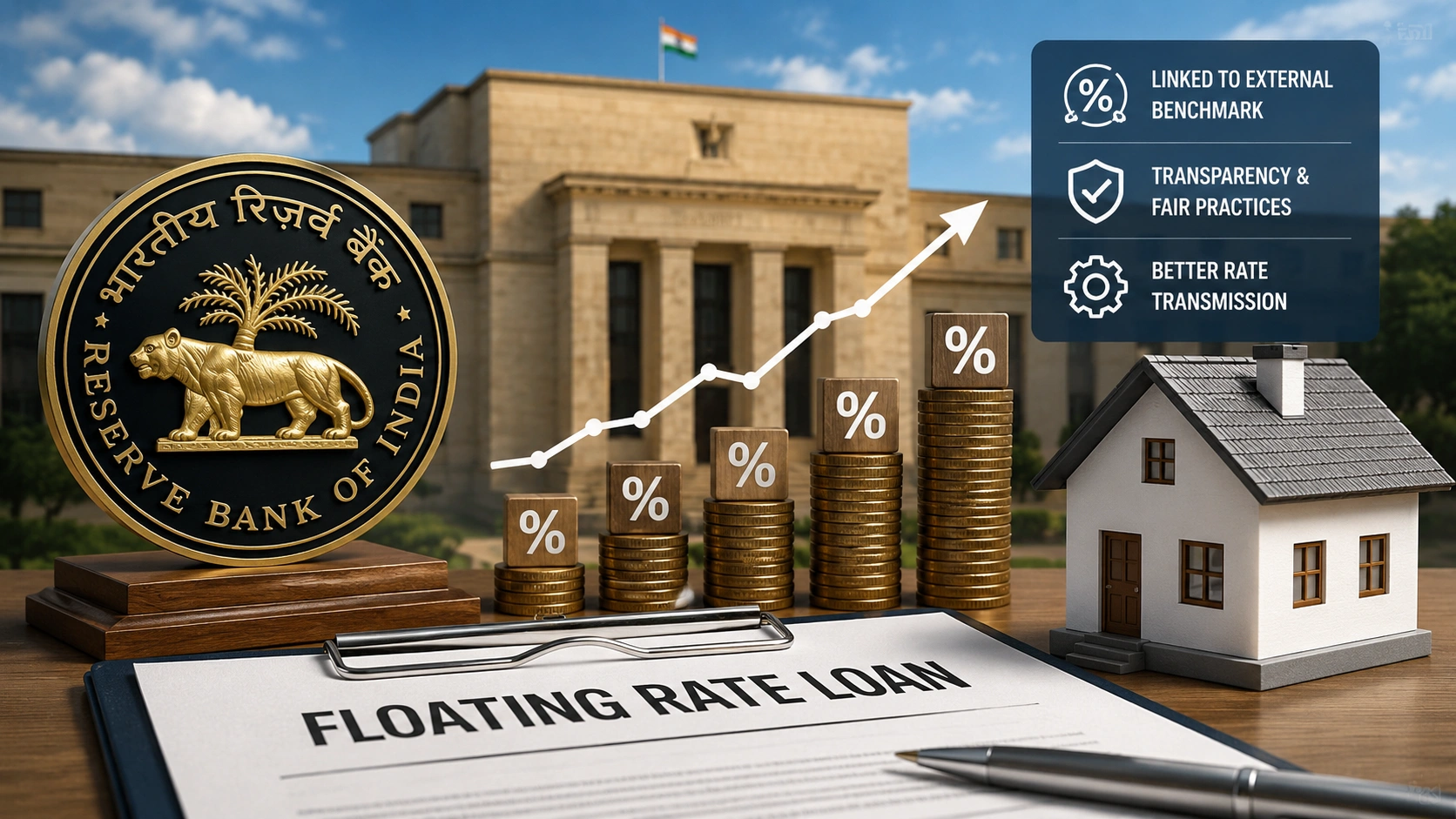
The proposed framework introduces stricter rules for loan interest rates, floating-rate loans, benchmark-linked pricing and borrower protection. The new directions, if finalised, are expected to take effect from April 1, 2027. Under the proposed framework, lenders can offer loans at either fixed or floating interest rates. Interest will generally be calculated on a daily reducing balance with monthly rests. Separate provisions will apply to agricultural loans based on crop seasons. A major change is proposed for floating-rate personal loans and loans to micro, small and medium enterprises (MSMEs). These loans will have to be linked to an external benchmark such as the policy rate, government Treasury Bill yields or other recognised financial benchmarks. Loan agreements will have to clearly mention the benchmark, reset frequency and reset date. For most loans, the benchmark reset period will not exceed three months, while agricultural loans may follow a reset period of up to 12 months based on the crop cycle. The proposed rules also seek tighter control over the spread charged above the benchmark. Credit-risk premiums will have to remain positive and can be revised only after reviewing the borrower's credit profile. Other components of the spread generally cannot be changed for three years, subject to specified conditions. Existing benchmark-linked loans may be migrated to the new framework by April 1, 2029. Borrowers will have to consent to the transition, while lenders will not be allowed to impose migration charges or increase the interest rate to the borrower's disadvantage. The proposed framework aims to bring greater transparency to loan pricing, standardise benchmark-linked interest rates and provide stronger safeguards for borrowers.
RBI Plans New Interest Rate Rules for Floating Rate Loans
Aug 19 2026
Latest Newsletter

Tamil Nadu Mandates Online Registration for First Sale of Plots and Flats
Aug 18 2026

Lenders Face Proposed Standardized Rules for Setting Loan Interest Rates
Aug 17 2026

Chennai Property Owners What Happens After the Tax Rollback
Aug 15 2026
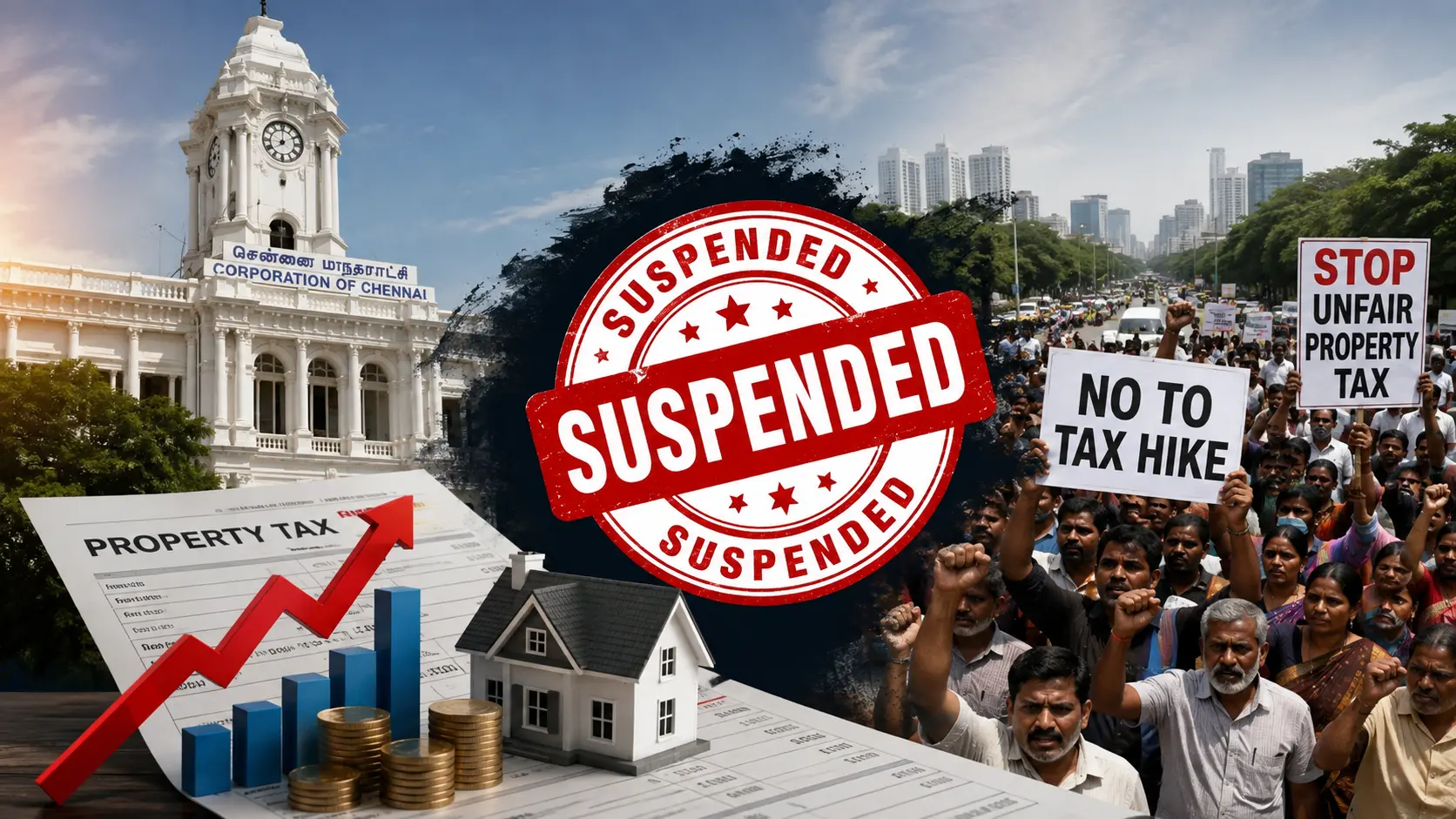
Chennai Civic Body Suspends Property Tax Hike Amid Public Backlash
Aug 14 2026

Tamil Nadu RERA Grants Four Month Extension to Project Affected by West Asia Disruptions
Aug 13 2026