Home loan interest rates can have a significant impact on the overall cost of buying a house, particularly when the loan is taken for 20 or 30 years. Even a small change in the interest rate can increase or reduce the total interest payable over the loan tenure. For example, if the interest rate on a Rs 50 lakh home loan rises to 8% for a 30-year repayment period, the additional interest payable could be around Rs 12.32 lakh, highlighting the importance of choosing a competitive interest rate. According to home loan rate data available as of August 19, 2026, borrowers seeking loans above Rs 30 lakh and up to Rs 75 lakh can find interest rates starting from around 7%, depending on the lender, borrower profile and loan terms. Among lenders, the lowest advertised rates currently begin at around 7%, while several other lenders offer starting rates between 7.10% and 7.75%. Some lenders have starting rates above 8%, with the maximum rates varying significantly based on eligibility and loan conditions. The Equated Monthly Instalment (EMI) consists of both the principal repayment and interest component. A higher interest rate generally increases the EMI and the total amount paid over the loan period. A longer repayment tenure can reduce the monthly EMI, but it may substantially increase the total interest paid over the entire loan period. Therefore, borrowers should not choose a loan based only on the lowest advertised rate. Before taking a home loan, buyers should compare the interest rate, monthly EMI, total interest payable, loan tenure, processing charges and the final rate offered by the lender. A lower rate combined with a suitable repayment strategy can help reduce the overall cost of home ownership.
Home Loans at Low Interest Rates How Borrowers Can Save Up to Rs 12 Lakh
Aug 28 2026

Latest Newsletter

Tamil Nadu Cement Industry Gains as Limestone Tax Comes to an End
Aug 27 2026
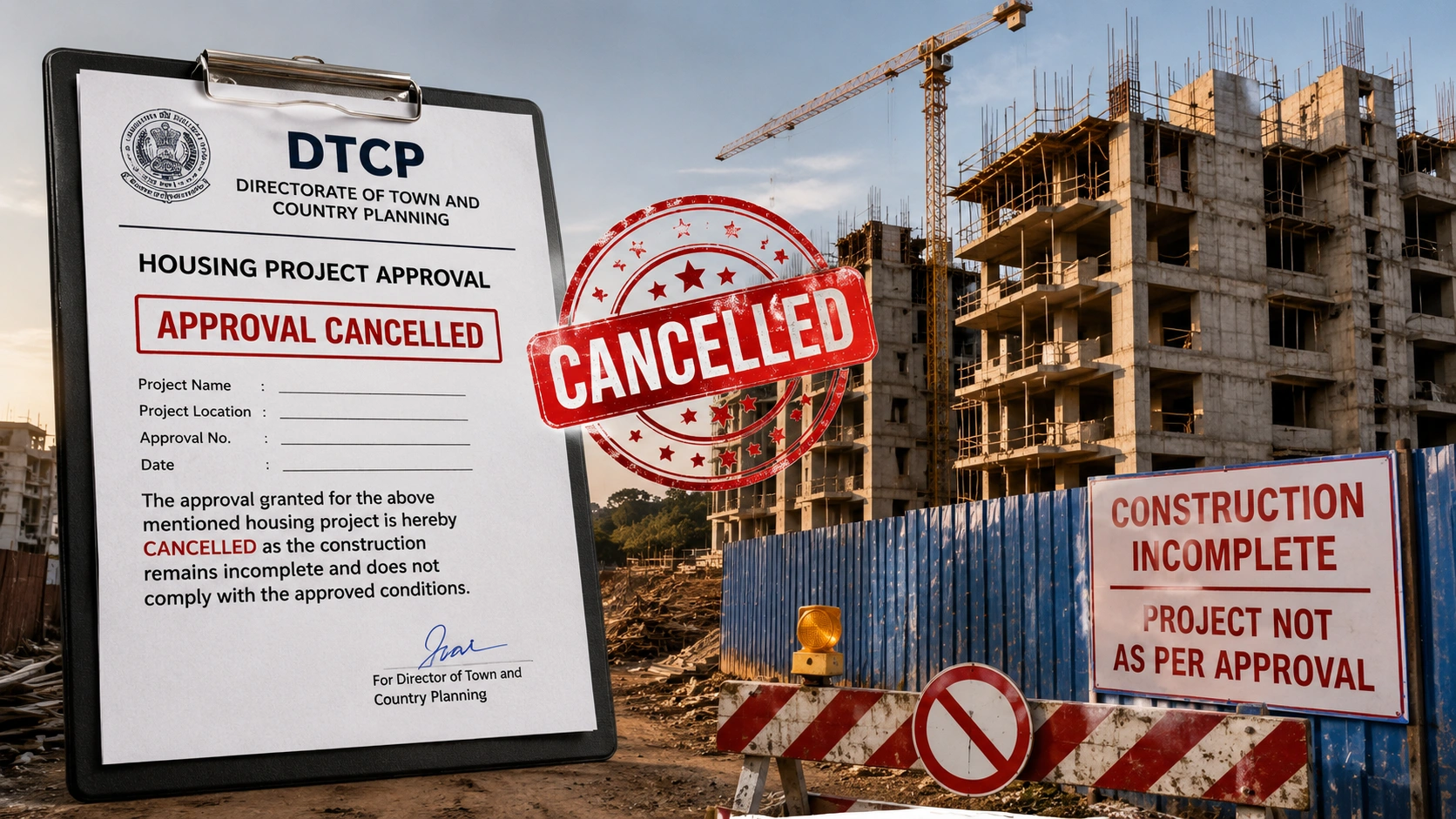
DTCP Cancels Housing Project Approval as Construction Remains Incomplete
Aug 26 2026

Chennai Airport Expansion What Happens to the Acquired Land
Aug 25 2026

Parandur Airport Project Scrapped Tamil Nadu Plans New Airport Site, Chennai to Get 5th Terminal
Aug 24 2026

LiDAR Mapping to Plug Property Tax Leakages
Aug 22 2026