A draft property tax reform has proposed a 30% rebate for eligible self-occupied residential properties owned by women, men aged 65 and above, and persons with disabilities (PwD). The proposed concession would be limited to residential properties with a built-up area of up to 100 square metres, with the benefit restricted to one residential building within the concerned civic body's jurisdiction. The draft also proposes introducing the Unit Area Method (UAM) to calculate property tax through a standardised system based on property characteristics. The proposed method would consider factors such as property usage, building age, construction type, occupancy status, location and infrastructure availability. Under the new framework, properties would be classified according to their usage, including residential, commercial, office, hotel, hospital, nursing home, recreational and industrial categories. Buildings constructed before and after 1960 would also be assessed under different classifications, while construction type and whether a property is self-occupied or rented would influence the calculation. The proposed system would use base unit area values for different location categories, ranging from A to H. These values would remain in force for three years and be multiplied by five assessment factors to determine the applicable property tax. The reform aims to simplify tax calculations, improve transparency, reduce disputes and provide greater predictability for property owners. It is also intended to replace discretionary assessment practices with a more structured and consistent system. The draft has been opened for public consultation, with suggestions invited until October 23, 2026. The proposed changes are linked to the Jan Vishwas Act (Amendment of Provisions), 2026. The final implementation will depend on the authorities' review and approval of the recommendations. Homeowners should note that the proposed rebate is not yet a confirmed benefit. The final eligibility criteria, tax calculation rules and implementation details will be determined through the official approval process.
Civic Body Moves to Offer 30 percentage Property Tax Rebate for Self Occupied Houses
Oct 21 2026

Latest Newsletter
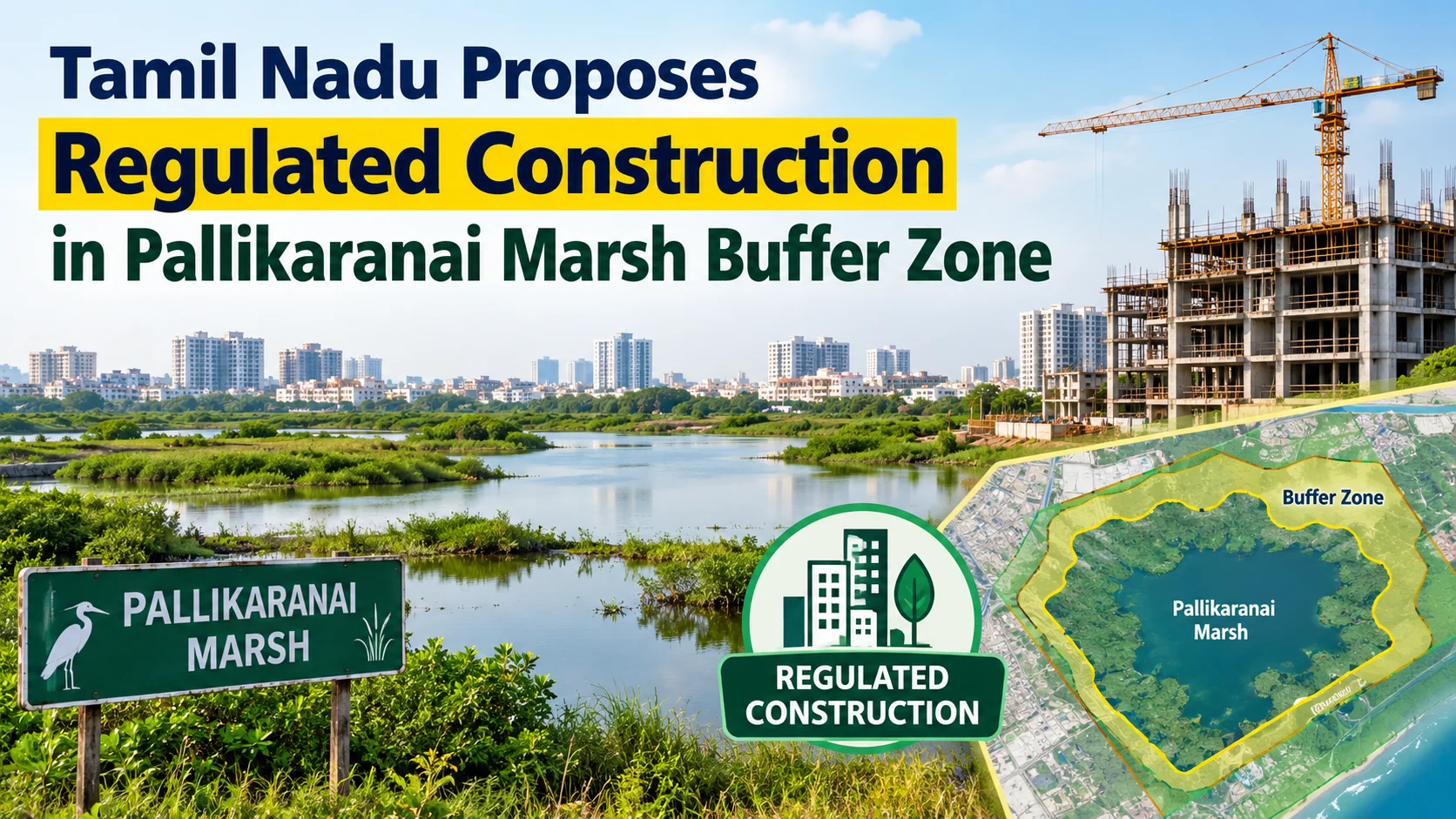
Tamil Nadu Proposes Regulated Construction in Pallikaranai Marsh Buffer Zone
Oct 19 2026

Sea facing Properties Gain Popularity as Demand for Sea Facing Homes Rises
Oct 17 2026

State Recovers Rs 369.5 Crore in Compensation for Homebuyers
Oct 16 2026
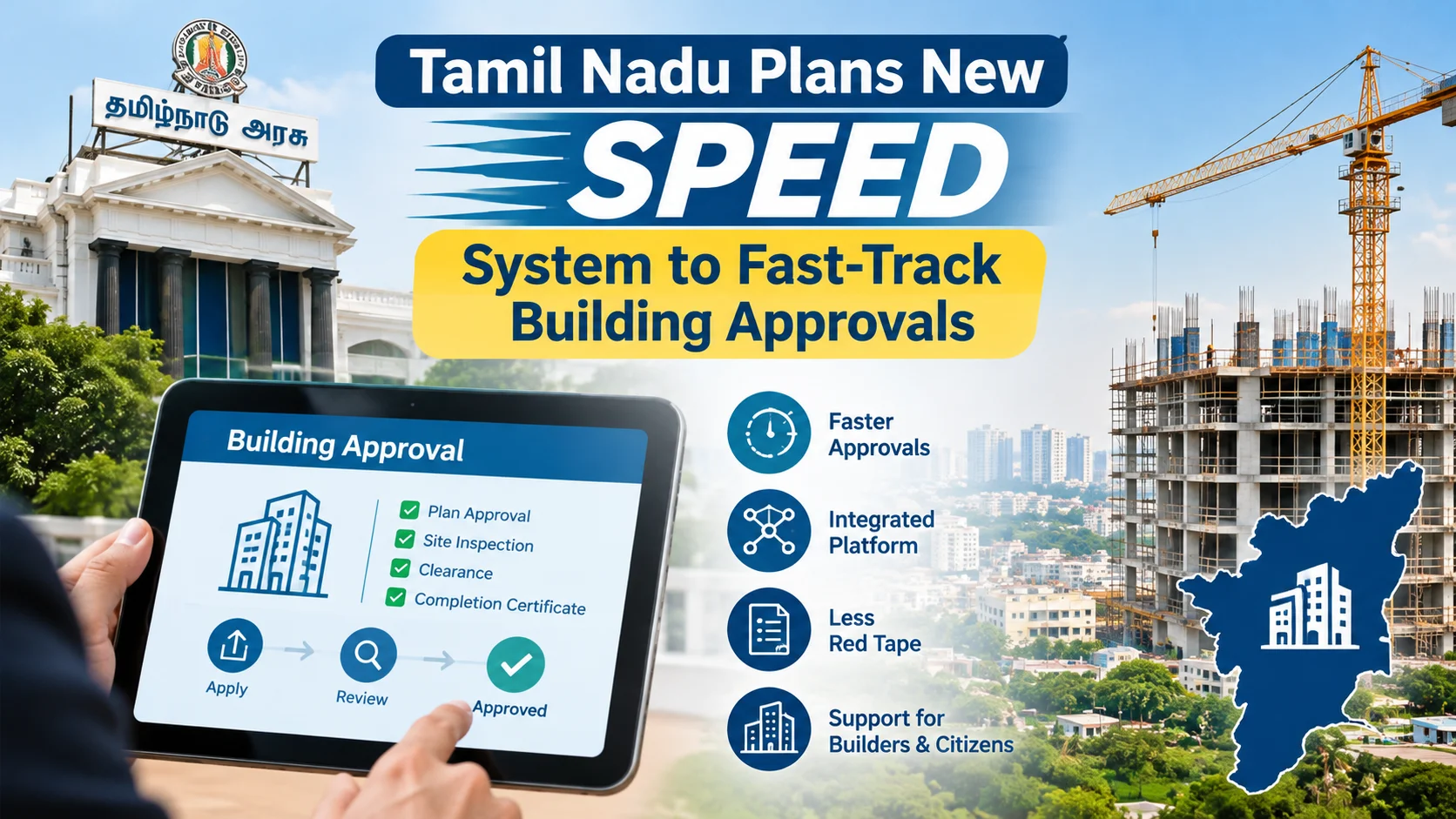
Tamil Nadu Plans New SPEED System to Fast Track Building Approvals
Oct 15 2026

New 3 MTPA Cement Grinding Unit Commissioned to Boost Production Capacity
Oct 14 2026