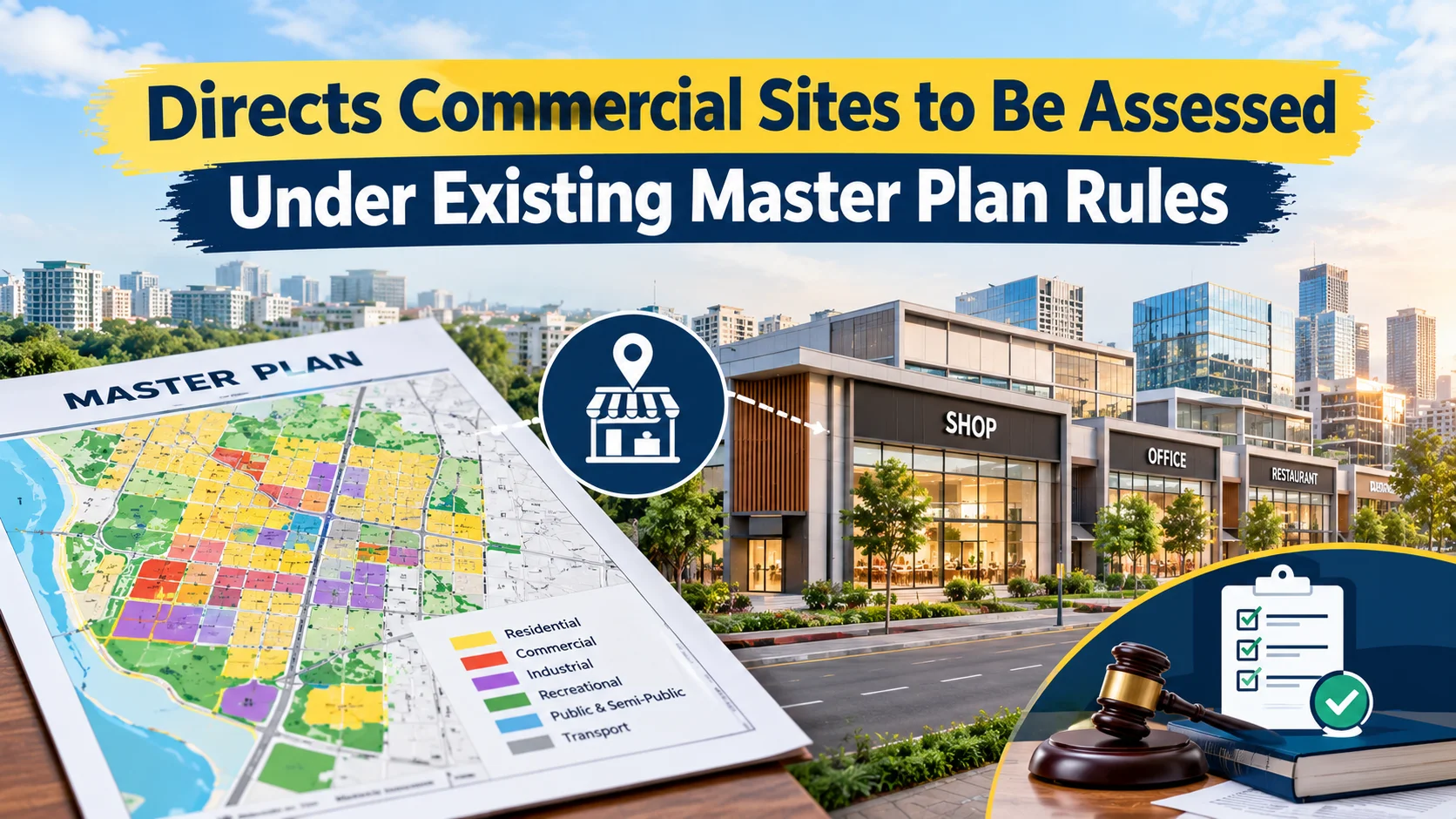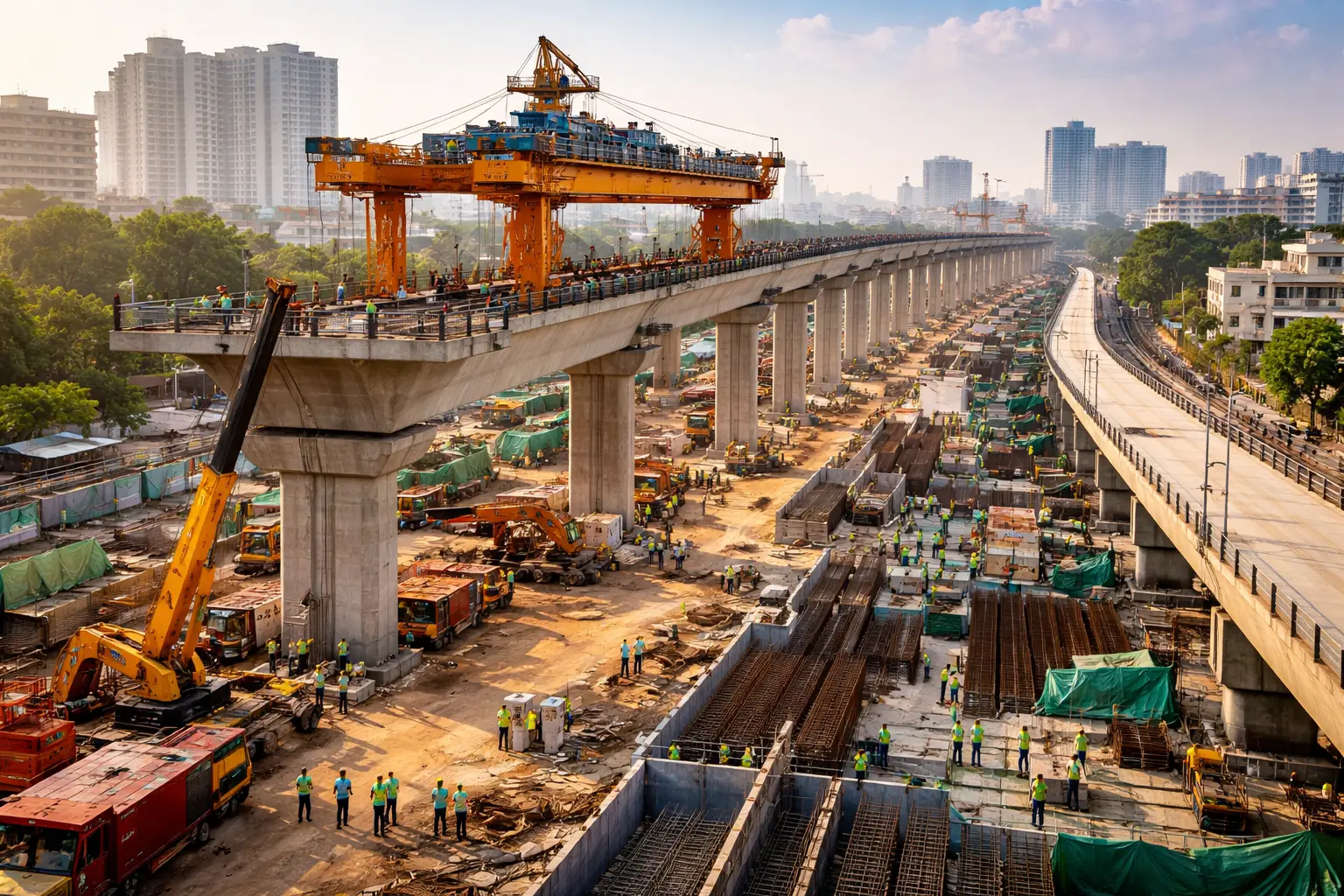
The city’s metro authority plans to develop about 73.4 lakh square feet of commercial space across at least 37 locations along its Phase-II metro corridors. This marks a major shift, as the development will extend beyond station premises into nearby land parcels. The initiative reflects a new urban development model where metro construction actively shapes city growth. The primary goal of this strategy is to monetize land assets, generate non-ticket revenue, and improve the long-term financial sustainability of the expanding metro network. By encouraging denser development within a 500-metre radius of metro stations, planners expect changes in commuting behavior, with more people opting for public transport instead of private vehicles. A key principle behind this approach is transit-oriented development, which focuses on increasing public transport usage and reducing road congestion. However, its success depends heavily on the quality of pedestrian infrastructure. Without safe, continuous, and accessible walking paths, commuters may continue to rely on personal vehicles despite proximity to metro stations. Several prominent residential, commercial, and transport-oriented locations have been identified for development, including areas near major temples, residential zones, IT corridors, and multimodal transport hubs. Planned projects include integrated commercial buildings connected directly to underground stations, as well as standalone commercial structures located within walking distance of metro access points. These developments are expected to form commercial clusters around transit nodes, increasing daily footfall and economic activity. At some locations, multi-storey buildings with direct station access are planned on relatively small land parcels, optimizing space usage while providing substantial built-up area. In residential neighborhoods, commercial buildings with basements are proposed, along with additional integrated structures nearby. Phase-II is significant because it is the first time large-scale property development is being undertaken beyond station footprints, following models seen in other major Indian cities. Construction is expected to begin at key terminal and depot locations, followed by work at other major junctions. Each property will be developed through design-and-build contracts. In earlier phases, development was largely limited to high-rise towers near central transport hubs, multimodal complexes, and leasing retail spaces within stations. Phase-II expands this model by pushing development into surrounding areas, reinforcing the idea that metro systems can act as anchors for urban growth rather than just transport infrastructure. Experts caution that while such developments can significantly boost ridership, their success depends on keeping mobility and accessibility at the core. Poor pedestrian access or unsafe walking conditions could weaken the intended benefits of transit-oriented development.